An Hour of Hammering Is Not One Number.

Two breakers can log the same hours and show very different working patterns. SolidTrack classifies firing bursts by duration, separates activity from inactive time and reports telemetry-derived blank-firing indicators. When users assign an operator and shift in advance, that context can be compared alongside the equipment.

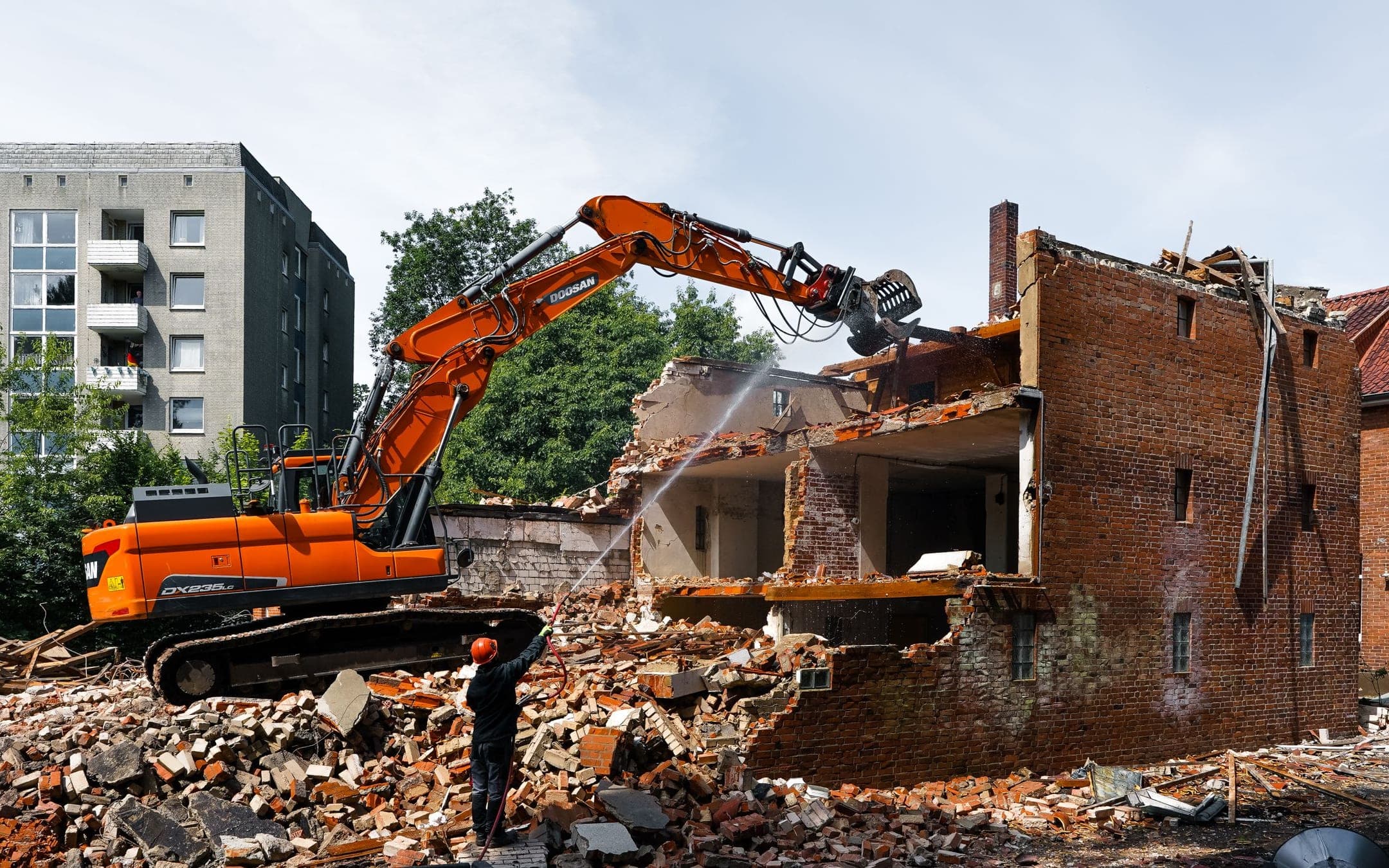
Hydraulic breaker on a rugged construction site

Breaker unit

ST-HB-002

  • check_circleUsage Tracked
  • verifiedMaintenance Ready

The Most Expensive Part Is the One Nobody Measures.

Chisels, bushings and front heads are affected by how a breaker is worked as well as the material, application and maintenance. Without an activity record, those operating patterns are difficult to review before the next inspection.

Overhead view of a demolition site with heavy machinery and concrete structures

Why the Hammer Is Always the Blind Spot.

It has no engine, no dash and no counter of its own, it moves between carriers, and the person who knows how it was treated last week is not the person deciding when it comes in.

  • Limited visibility into field usage
  • Delayed maintenance awareness
  • Harder service prioritization
  • History scattered across a diary, a desktop and a conversation

What SolidTrack Helps Monitor

Location & Movement

Latest reported location and movement history across the sites where breaker-equipped machines work.

Operating Hours

Recorded activity and operating-time totals that stay with the breaker rather than the carrier.

Usage Context

Separate recorded breaking activity from inactive periods and review how firing time is distributed.

Maintenance Readiness

Due or overdue maintenance alerts and telemetry or usage-based anomaly alerts alongside the equipment record.

A Service Date the Workshop Believes.

Recorded activity, configured intervals and service history give the workshop a stronger basis for deciding which breaker needs attention next.

  • Better timing for service routines
  • Stronger awareness of field usage
  • Reduced guesswork around maintenance
  • Better support for uptime planning

Comparable Hammers Build a Baseline. The Outlier Deserves a Look.

Application, breaker size, carrier, material and operating context can all affect the pattern. Comparing recorded activity and impact-duration distributions gives operations and maintenance teams a focused place to review those differences.

  • Cross-asset comparison
  • Stronger inspection prioritization
  • Clearer view of which assets deserve inspection or service review

Habits, Not Verdicts.

Telemetry-derived blank-firing and long-burst patterns are best used as evidence for coaching and operational review, not as a verdict. Operator or shift comparisons apply only where users made those assignments in advance.

  • Better pattern visibility
  • The tool's history in one place
  • More informed training decisions
Worker reviewing equipment telemetry on a tablet at a construction site

Service the hammer that earned it.

Use recorded activity, configured intervals and service history to distinguish a breaker that worked forty hours in a fortnight from one that worked four.

  • Service interval awareness
  • Better maintenance planning
  • Stronger coordination across teams

Send one machine, not a login.

A read-only external URL for one asset's current or latest reported location and movement history, expiring on the date you choose.

  • Controlled external visibility
  • Better service coordination
  • Cleaner operational communication

What Changes Once the Tool Is Measured.

Four things, and none of them are about having a dashboard.

The tool has its own hours

Not the carrier's counter under a different label. Hours that follow the hammer onto whichever excavator picks it up next.

Risk patterns you can review

A rising share of long firing bursts can indicate increased mushrooming risk and give the workshop a reason to inspect.

Four hammers, honestly compared

Compare the same site and period side by side. When one breaker is an outlier, the pattern gives the team a useful place to start its review.

One version of the week

The office, the workshop and the site read the same record, so nobody spends Monday morning reconciling three accounts of it.

See SolidTrack in a Breaker-Focused Workflow.

Bring one hammer and one argument you are tired of having. We will set the walkthrough up around the equipment you actually run.

Common questions

Will a tracker survive being mounted on a hydraulic breaker?

The Field Unit can be mounted on a hydraulic breaker when the installation follows the specified guidance. Choose a flat fixing point away from direct impact. The PA6 nylon housing is molded around epoxy with no seams or service hatches and is rated IP69K. Its specified operating temperature range is -30 C to +85 C. The Field Unit is rated for up to 8 g of shock and vibration. An optional protective cover with two shock absorbers is available for exposed positions, using a 72 x 72 mm hole pattern and four M8x50 screws to a maximum of 30 Nm.

Can SolidTrack detect blank-firing patterns?

Yes. SolidTrack analyses telemetry to detect and classify patterns associated with blank firing, then reports them as their own share of the period. It is an operational indicator, not a physical diagnosis. When an operator and shift have been assigned in advance, those figures can be reviewed with that context. SolidAI can also compare equipment, assigned operators, sites and shifts using the available SolidTrack record.

How do you fit a tracker to a breaker that has no power supply?

You don't wire it at all. The unit runs on a sealed 28 Wh lithium battery, so there is no feed from the hammer or the carrier, which is precisely why it suits breakers, buckets and grapples. It measures 68 x 68 x 25 mm and weighs 170 g, and fixes with screws tightened to no more than 3 Nm. It is not a weld-on device. Battery life is quoted in transmissions rather than years: typically around 4,000, so the reporting frequency you choose is what sets how long it lasts.

Does SolidTrack tell me when the breaker needs servicing?

It provides usage evidence; it does not inspect the tool. Nothing here measures bushing clearance or shank wear, so the retaining pin check stays with your fitter. What you do get is recorded activity plus telemetry-derived impact-duration classifications, with 41 to 80 seconds flagged as mushrooming risk and 81 to 180 seconds as prolonged use. Configured maintenance intervals can be reviewed alongside that activity and the service history.

Why don't SolidTrack's breaker hours match our hour meter?

Because the two count different things. SolidTrack activity time is derived from three-axis motion telemetry rather than a counter that runs whenever the carrier or hydraulic circuit is active. Inactive time is separated, while repositioning of up to 300 seconds is classified as productive. A gap between the figures is expected, and reviewing that gap can explain how the equipment was used.