
Built for Quarry and Construction Fleet Operations

SolidTrack helps field teams manage fleet visibility, site awareness, maintenance timing and operational coordination across demanding quarry and construction environments.

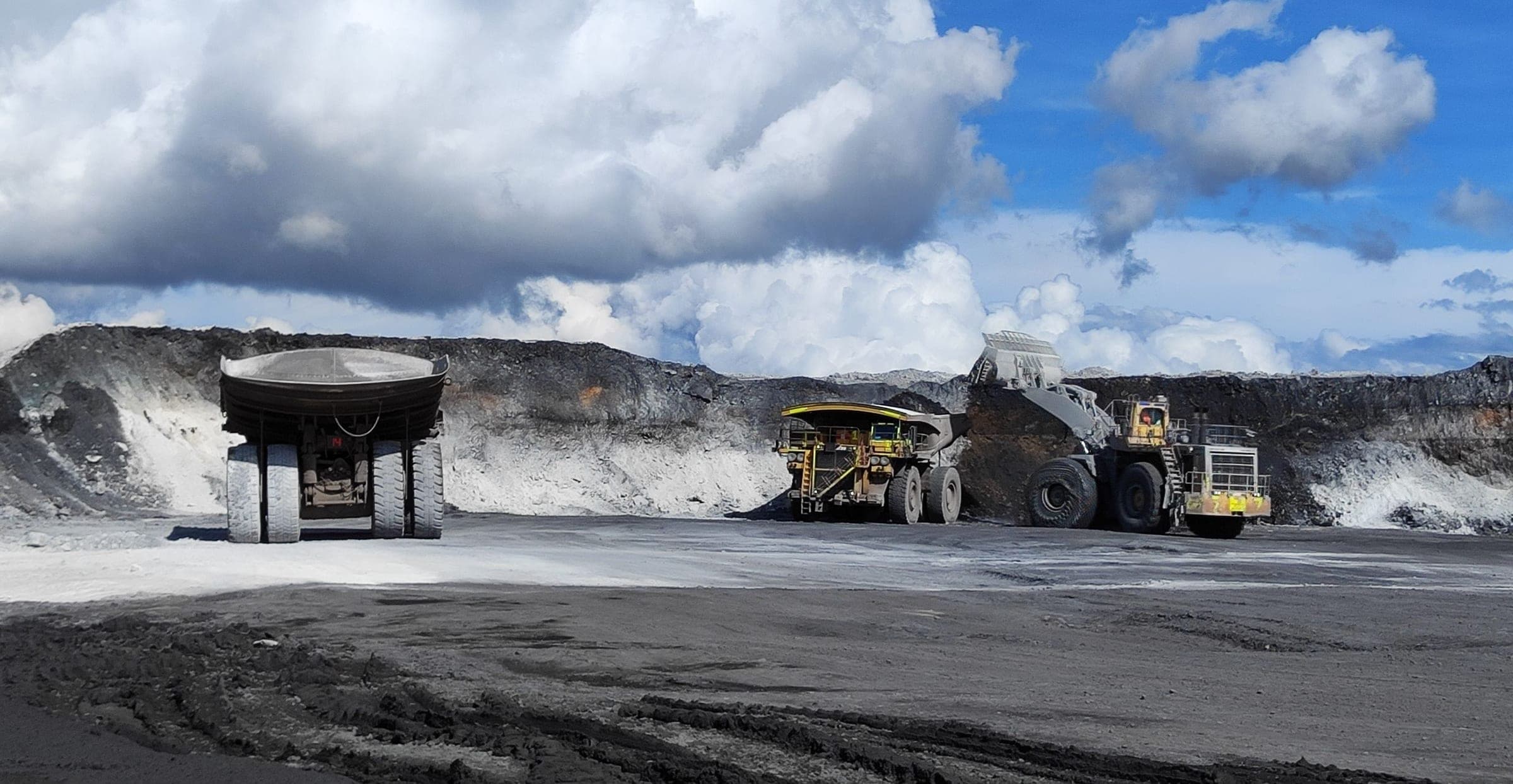
Active limestone quarry with heavy equipment
TELEMETRY ACTIVE

Fleet snapshot

Sites & assets in view

Operations

Movement & utilization

Do you need a fifth machine, or better use of four?

It is one of the most expensive questions a pit asks, and it is often answered from counters that do not explain how time was spent. Separate recorded activity from inactive periods and the capacity conversation starts with evidence rather than assumption.

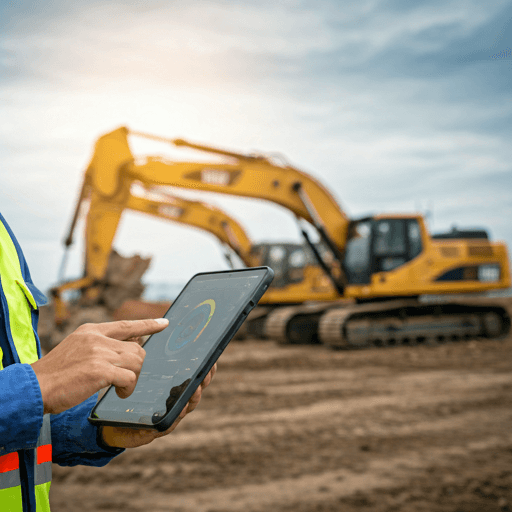
Field supervisor reviewing fleet coordination on a tablet at an active jobsite

Why the pit is harder than the road

Coverage drops below the rim, machines move between benches without anyone logging it, attachments change carriers mid-shift, and the counters that would settle any of it were built to measure a different thing.

Limited fleet visibility

Secondary units and support assets are easy to lose track of across large sites, which hides underuse and idle time.

Reactive maintenance

Manual hour logs and delayed field information make it harder to prioritize inspections and plan service work.

Fragmented coordination

When foremen, dispatch and maintenance work from different snapshots, handovers and priorities slip.

What SolidTrack helps teams manage

A practical framework for fleet oversight in quarry and construction: visibility, timing, boundaries and coordination in one place.

Fleet visibility

Latest reported location, activity and alert status for heavy equipment in the field.

Utilization & hours

Recorded activity and utilization patterns by equipment, site and previously assigned shift.

Alerts & exceptions

Geofence entry or exit, offline devices, low battery, maintenance requirements, missed inspections and usage-based anomalies.

Sites & geofences

Create sites and geofences, assign or remove monitored equipment, update boundaries or addresses and configure entry, exit and breach alert settings.

Maintenance awareness

Service planning informed by recorded activity, configured intervals and maintenance history.

Crew & shift handovers

Align crews and machine availability so handovers and daily plans stay coherent.

What worked, what sat, and where

See which machines recorded activity across pits, haul roads and yards, and which remained inactive. A supervisor gets that view at the start of a shift instead of assembling it from three radio calls and a spreadsheet somebody keeps on their own laptop.

  • Recorded activity shown separately from inactive periods
  • Several pits rolled up, or read one at a time

Site awareness with geofences and boundaries

Create a site or geofence, assign the equipment to monitor and review reported boundary events. Users can update the boundary or address, remove equipment and configure entry, exit and breach alert settings.

Service the machine that earned it

A machine idling at the face all morning should not look the same in a utilization review as one that worked the whole period. Recorded activity, configured intervals and service history give the workshop better context for planning the next visit.

Uptime focusPrioritize equipment that deserves workshop review
Clear intervalsRecorded activity beside configured service requirements
Usage alert

Telemetry-based anomaly

A usage pattern moved outside the range your team configured and warrants review.

Device status

Device offline

The alert record identifies the equipment and when the offline event was reported.

An alert you have not learned to ignore

Configure supported alert settings around the events the site needs to review, including offline devices, low batteries, boundary events, maintenance requirements, missed inspections and telemetry or usage-based anomalies.

A connected system for complex field operations

Better fleet visibility

Fewer blind spots across pits, roads and yards, with productivity signals surfaced in one place.

Better site awareness

Terrain and boundary context that supports safety and flow, not just dots on a map.

Better service timing

Maintenance informed by recorded activity, configured intervals and service history.

Better coordination

Shared context for dispatch, foremen and service, with less friction at handovers.

See SolidTrack in a quarry or construction workflow

Bring one pit and one machine you have an opinion about. We will put a week of it side by side with what the counter says and let you judge the gap.

Common questions

Will the trackers work at the bottom of a quarry pit with no mobile signal?

Yes, but not as a continuous live feed. The store-and-forward log holds 300 entries by default while the unit is out of coverage and uploads retained records after connectivity returns. Longer offline periods can exceed available storage. The unit uses LTE-M with 2G fallback and has no satellite link, so on a site with no cellular service the records arrive only after the unit reconnects. Position availability and freshness depend on conditions, reporting cadence and network coverage.

Why don't SolidTrack's running hours match the machine's hour meter?

Because the two count different things, and a gap is expected. SolidTrack derives recorded activity from three-axis motion telemetry and reports inactive periods separately, while a machine's own counter may run whenever the key or engine is on. Use the SolidTrack metric for utilization and operational comparison, and keep the machine's approved counter for OEM service intervals and warranty requirements.

Can I compare utilization between two pits, or between two shifts on the same site?

Yes. Assign equipment, operators and shifts in advance when you want those dimensions included. SolidAI Hub supports side-by-side equipment, operator, site and shift comparisons as well as company-level reporting. Operator and shift attribution appears only where the relevant assignments were made beforehand.

Do machines have to come off the job to fit the trackers?

No. The unit is battery powered with no wiring to the machine, so it can be fitted during a suitable scheduled stop, with screws tightened to a maximum of 3 Nm. It is not weld-on, and because it needs no external power supply the same unit can be used on attachments such as breakers, buckets and grapples. Mount it away from direct impact. The Field Unit is rated for up to 8 g of shock and vibration, and an optional protective cover with two shock absorbers is available for exposed positions.

Can operators do pre-shift checks and clock in from their phones?

Yes. SolidTrack field workflows open in the phone's browser today. Pre-shift inspections use equipment-specific checklists with photos, and failed items can be reported to maintenance. Attendance supports site QR codes and GPS proximity. Native iOS and Android apps are in development, with push notifications, offline form capture and biometric sign-in planned for the native experience.