
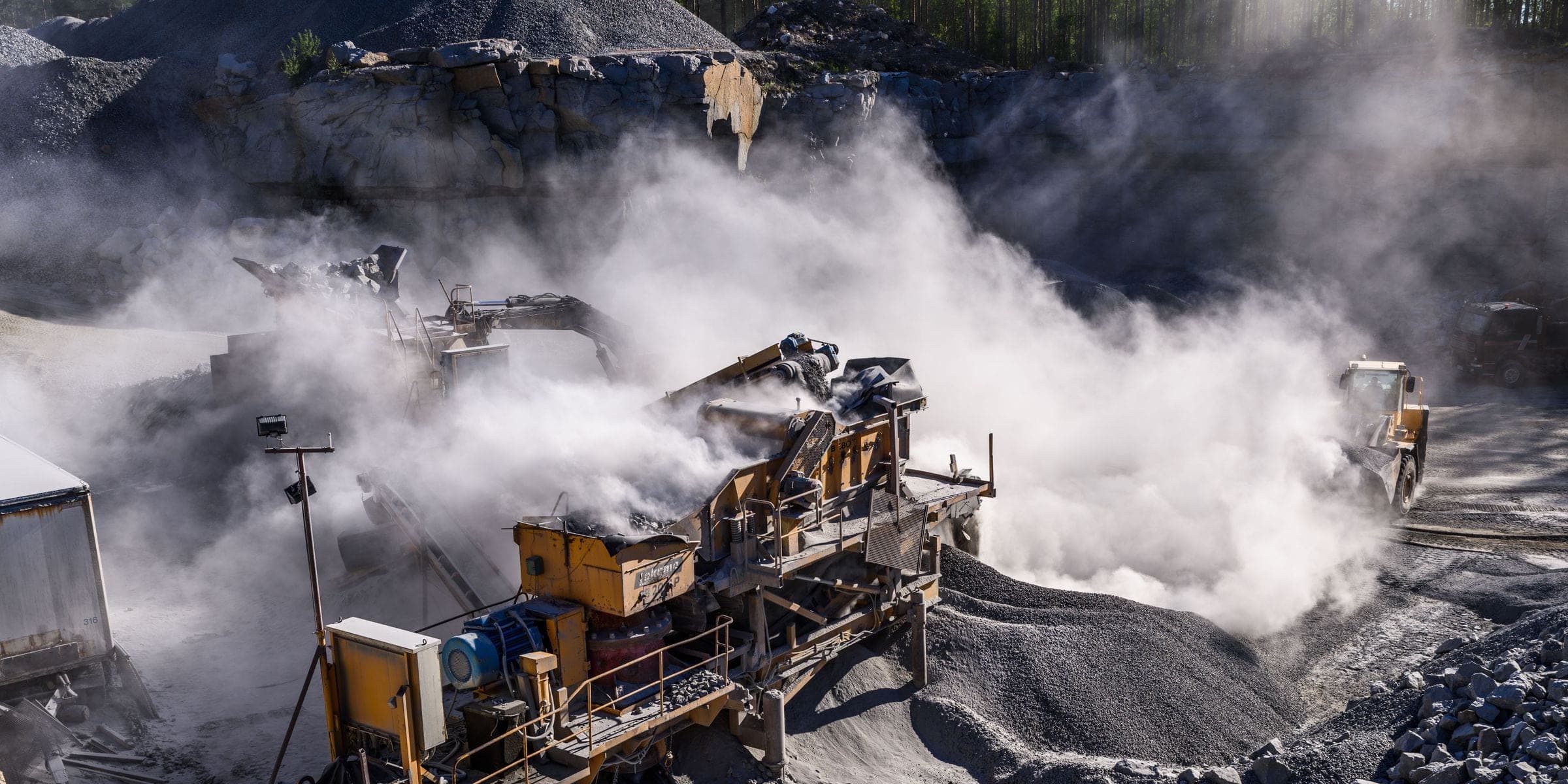
We Built the Meter the Hammer Never Had
An excavator has a counter, a dashboard and a manufacturer who publishes service intervals. The breaker on the end of its arm often has none of them, even though its hours and working patterns matter to operations and maintenance. That missing record is where SolidTrack began.
What SolidTrack Is
A sealed, battery-powered unit mounts to a machine or attachment and reports location and three-axis motion. The platform turns that telemetry into activity and utilization records. For hydraulic breakers, it also classifies impact-duration and blank-firing patterns. Site, operator and shift context is added when users make those assignments in advance.
That equipment record connects the wider operation: location, alerts, utilization, maintenance, field operations and SolidAI. Teams can review what happened, plan the next action and work from the same history instead of separate recollections.
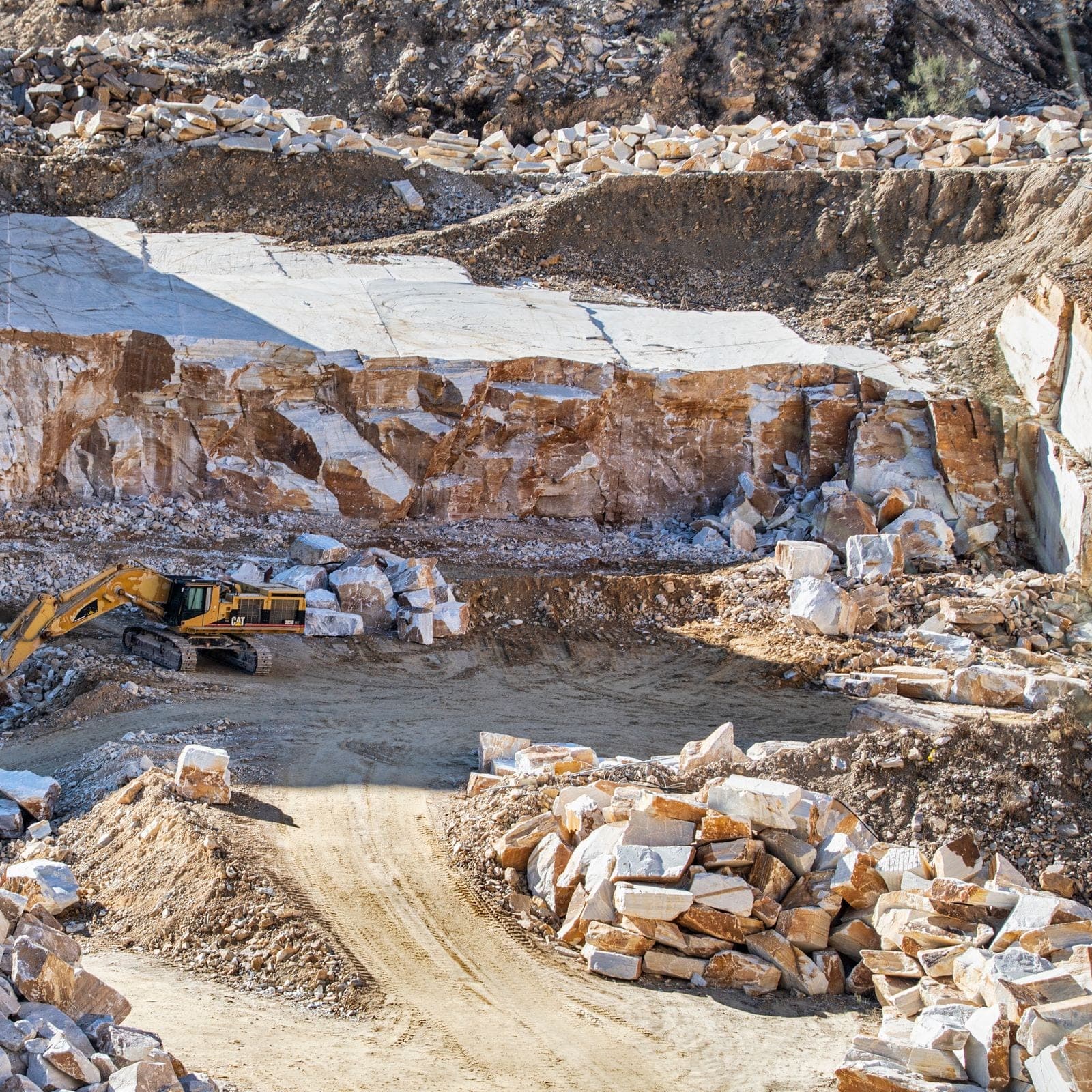
Field records give office teams a clearer operational picture.
Why We Built It
Heavy equipment operations often work with fragmented records and limited visibility. Traditional tracking products were built around road vehicles, not machines and attachments working across yards, pits and jobsites.
We saw a need for a system that understands the high-vibration, high-impact world of attachments and earth-moving machinery. SolidTrack was built to connect missing activity records, maintenance context and field operations in one platform.
Not a Generic Fleet Tool
SolidTrack is not built as a standard tracking product for generic vehicle fleets. We don't focus on delivery routes or fuel economy for sedans. Our focus is squarely on the industrial front line.
Industrial-First Focus
Sealed, battery-powered hardware rated IP69K, built for high-pressure washing and the temperature swings hydraulic attachments work through.
Attachment Awareness
We derive recorded attachment activity from motion telemetry rather than treating the carrier's engine hours as the attachment's own usage record.
What Makes
SolidTrack Different
Four choices that shaped the product, including one about what we refuse to claim.
We started from the attachment
Most telematics was built to follow a vehicle and later pointed at machinery. This was built the other way round, for the tool at the end of the arm that has no power, no counter and no cab.
The device and the platform are specified together
The unit is chosen and tuned for percussive work rather than adapted from a vehicle tracker, and the platform is built around what that unit can actually see.
We make risk patterns visible
A rising share of long firing bursts can indicate increasing mushrooming risk and give a team a reason to inspect. We will not dress that signal up with invented savings percentages or claim to predict failures the device cannot see.
An answer, not a dashboard
A supervisor in the dust has about a minute. What comes back is a sentence with a number behind it, not a chart to interpret.

Our Approach
Two rules guide the work. Keep the operational record with the equipment that did the work, including the attachment rather than only its carrier. And do not claim what we cannot show: no invented savings percentages, no failure predictions and no certifications we do not hold. If a number appears on this site, it comes from the hardware specification or the platform. If we do not know something, we say so.